



Introduction
Pakistani dramas have increasingly begun to move beyond conventional love stories and family feuds to explore the emotional and psychological realities of ordinary people. Zabt is one such drama that leaves a lasting impression. It doesn’t rely on sensational twists or exaggerated characters; instead, it presents a story rooted in human emotions, resilience, and the difficult choices people make when faced with life’s challenges. The title itself, Zabt meaning patience, restraint, or emotional control, captures the essence of the drama and serves as a thread that binds every character’s journey.
Synopsis
Ayla, a beautiful young girl, is deeply in love with her cousin Ehtisham. But their love is caught in a long-standing family conflict, where their mothers’ hatred keeps them apart at every step. Unseen and unheard, Aoun—a quiet young man living only with his grandmother—carries feelings for Ayla, though she has never noticed him. Sometimes, fate brings two hearts close only to pull them apart again. Their love is tested by family conflicts and hidden betrayals, breaking what once felt strong and real. In the middle of this pain, a broken heart finds comfort in the one who has always loved silently. But this connection is not fully accepted by the heart, as emotions remain confused and uncertain.
(Taken from Youtube: by HAR PAL GEO)
Trailer
The Good Things
Cast
One of the greatest strengths of Zabt is its thoughtfully selected cast, which brings authenticity and emotional depth to the story. The drama features Sachal Afzal, Zoha Tauqeer, Daniyal Khan, Samina Ahmed, Alyy Khan, Laila Wasti, Angeline Malik, Sarah Aijaz Khan, Arjumand Rahim, and Kaiser Khan Nizamani, all of whom deliver natural performances that make the family dynamics feel believable. Instead of relying on over-the-top emotions, the actors allow the story to unfold through subtle expressions and realistic interactions, making it easy for viewers to connect with the characters.
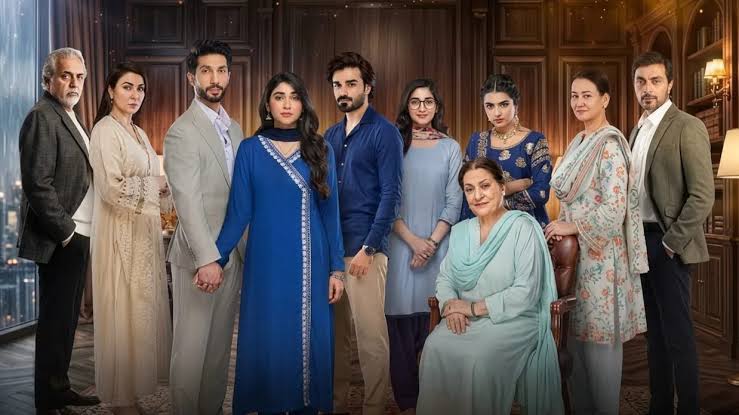
Among the younger cast, Zoha Tauqeer leaves the strongest impression with a sincere and emotionally nuanced performance. She portrays her character’s vulnerability, resilience, and inner strength with remarkable maturity. Sachal Afzal complements her well, bringing quiet intensity and emotional balance to his role, while Daniyal Khan adds complexity to the narrative with a convincing performance that keeps the audience engaged. The chemistry among the lead actors feels natural, allowing the emotional moments to resonate without appearing forced.
The veteran actors further elevate the drama. Samina Ahmed is exceptional, as always, bringing warmth, dignity, and depth to every scene she appears in. Alyy Khan, Laila Wasti, Angeline Malik, Sarah Aijaz Khan, Arjumand Rahim, and Kaiser Khan Nizamani provide strong support, ensuring that every character contributes meaningfully to the story. Together, the ensemble cast creates a believable world where relationships, conflicts, and emotions feel genuine, making Zabt an engaging and memorable drama.
Realistic Storytelling
What makes Zabt stand out is its realistic storytelling. The drama does not attempt to portray its characters as perfect heroes or villains. Instead, it presents them as ordinary individuals carrying emotional burdens, making mistakes, and trying to navigate complicated relationships. This realism allows viewers to connect with the story on a personal level. Many scenes feel less like scripted television and more like moments one might witness within their own family or community.
Screenplay and Character Development
One of the drama’s greatest strengths is its portrayal of emotional restraint. In many television serials, characters express every emotion dramatically, often through lengthy confrontations and loud arguments. Zabt takes a different approach. It explores the pain of emotions left unspoken, the sacrifices people make without seeking recognition, the silent endurance of difficult circumstances, and the quiet courage required to move forward despite disappointment. This understated treatment gives the drama an authenticity that is both refreshing and deeply moving.
The screenplay deserves particular appreciation for maintaining a steady narrative pace. Rather than rushing through events or introducing unnecessary plot twists simply to maintain suspense, the story unfolds gradually, giving each character space to develop. Relationships evolve naturally, and the audience gains a deeper understanding of the motivations behind each decision. This measured storytelling requires patience from viewers, but it rewards them with a richer and more meaningful experience.
Visual Presentation
Visually, the drama maintains a simple yet effective style. The cinematography does not attempt to overwhelm the audience with lavish settings or excessive visual effects. Instead, it focuses on creating an atmosphere that supports the emotional narrative. The background music is used sparingly, allowing silence itself to become an important storytelling device. This restraint prevents emotional scenes from feeling manipulated and allows viewers to experience the characters’ feelings more genuinely.
Themes and Message
Perhaps the most significant achievement of Zabt lies in its message. It reminds us that strength is not always loud or visible. Sometimes true courage lies in maintaining dignity during hardship, choosing compassion over anger, and continuing to fulfill responsibilities despite personal pain. The drama also raises important questions about the emotional pressures individuals—particularly women—often carry within families and society. Without becoming preachy, it encourages viewers to reflect on the value of empathy, patience, and honest communication.
Another admirable aspect of Zabt is its treatment of family relationships. It acknowledges that love, responsibility, and duty often exist alongside misunderstandings, unspoken expectations, and emotional wounds. The drama does not offer simplistic solutions to complex problems. Instead, it highlights how communication, empathy, and forgiveness can slowly heal relationships that have been strained by circumstances.
The bad
That said, the drama is not without its shortcomings. Some viewers may find the pace slower than typical commercial television productions, and a few supporting characters could have been developed more fully. There are moments when certain conflicts seem prolonged, and a tighter screenplay might have enhanced the overall flow. However, these minor weaknesses do little to diminish the drama’s overall effectiveness.
Overall
I rate this drama an 8/10. In an era where many television dramas prioritize sensationalism over substance, Zabt chooses a quieter path. It tells a story that is emotionally honest, thoughtfully written, and grounded in everyday realities. Rather than depending on dramatic confrontations or improbable twists, it invites viewers to reflect on the complexities of human relationships and the strength required to endure life’s challenges with grace.
Overall, Zabt is a mature and emotionally resonant drama that lingers in the mind long after the final episode. It is a reminder that some of life’s greatest battles are fought not in public but within the human heart. For viewers who appreciate character-driven stories with meaningful themes, Zabt offers a rewarding and memorable viewing experience.














Leave a Reply