


Introduction
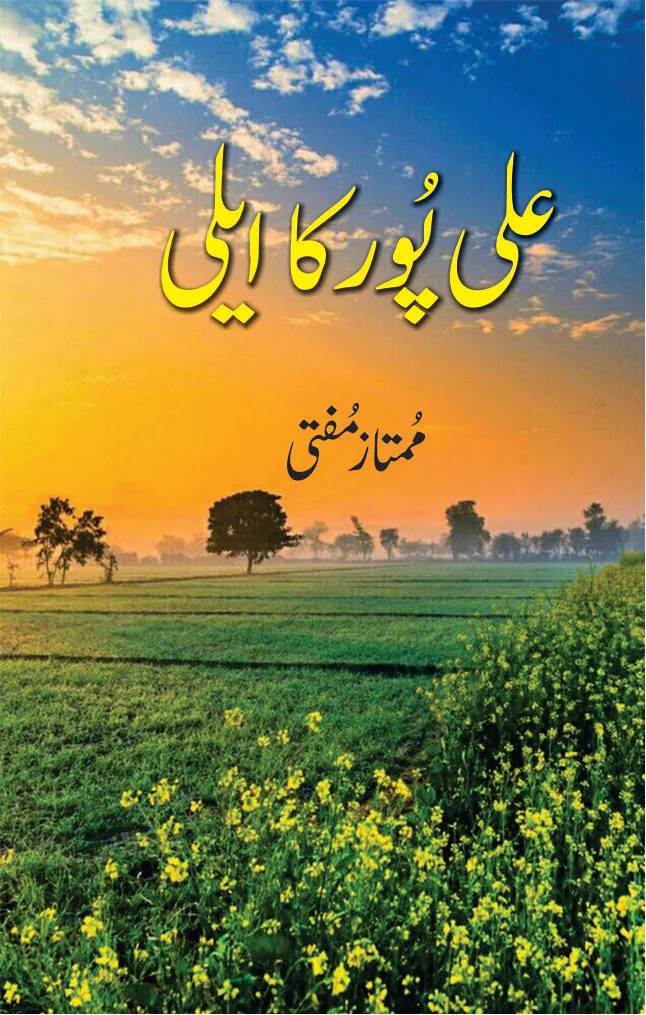
There are some books that you read, and then there are books that read you back. Ali Pur Ka Aili by Mumtaz Mufti belongs firmly to the second category. It is not merely a novel, nor just an autobiography—it is a deeply unsettling, brutally honest, and profoundly human exploration of a man’s inner world. First published in 1961, the book traces the early life of its protagonist, Aili (a fictionalized version of Mufti himself), and offers a raw and unfiltered account of growing up, questioning, desiring, and becoming.
Synopsis of Ali Pur Ka Aeeli
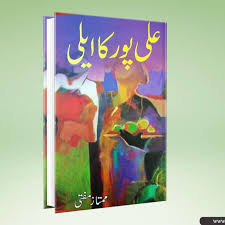
At its surface, Ali Pur Ka Aeeli appears to be a coming-of-age story set in a small town, Ali Pur. But very quickly, it becomes clear that this is not a conventional narrative. There is no neat plot, no heroic arc, and no attempt to romanticize the protagonist. Instead, the novel unfolds as a series of experiences, thoughts, confessions, and contradictions that together form the psychological landscape of Aeeli . The book’s strength lies precisely in this refusal to conform, it does not try to impress; it tries to reveal.
Background of the Author
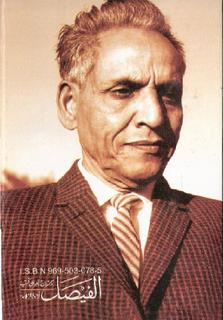
Mumtaz Mufti was one of the most distinctive voices in modern Urdu literature, known for his deeply introspective and psychologically rich writing. His literary legacy is preserved and promoted through the Mumtaz Mufti Literary Trust, which was established to spread his ideas, document his life, and make his work accessible to readers and scholars.
Mumtaz Mufti began writing Urdu short stories while working as a schoolteacher before 1947, publishing his first fiction Jhuki Jhuki Ankhen in 1932. Influenced early by Freudian psychology, his views later shifted toward Sufism under Qudrat Ullah Shahab, a transformation reflected in his autobiographies Ali Pur Ka Aeeli and Alakh Nagri.
The Book Itself
The semi-autobiographical nature of the book adds to its impact. Knowing that many of the events and emotions described in the novel are based on Mufti’s own life gives the narrative a sense of authenticity and vulnerability. It is not just a story; it is a lived experience. This blending of fact and fiction allows Mufti to explore deeper truths about human nature while maintaining the creative freedom of a novelist.
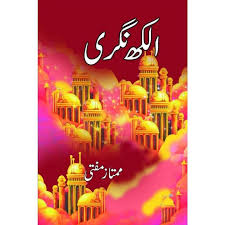
In many ways, Ali Pur Ka Aeeli is only the beginning of Mufti’s journey. It represents the first phase of his life, the phase of questioning, rebellion, and exploration. This journey continues in his later work Alakh Nagri, where he moves towards spirituality and self-realization. Together, these works form a complete narrative of transformation, from skepticism to faith, from confusion to clarity.
The Good Parts: Psychological Depth and Honesty
One of the most striking aspects of the novel is its honesty. Mumtaz Mufti does not hide behind literary elegance or moral posturing. He exposes himself, his fears, his insecurities, his desires with a kind of courage that is rare in literature. Aili is not a likable character in the traditional sense. He is confused, impulsive, sometimes morally questionable, and often painfully self-aware. Yet, it is this very imperfection that makes him real. The reader does not admire Aeeli; rather, the reader recognizes parts of themselves in him, and that recognition can be deeply uncomfortable.

Portrayal of Human Psychology
The novel’s exploration of human psychology is perhaps its most powerful element. Mufti, influenced by psychological thought and introspection, delves into the complexities of identity, relationships, and desire. Aili’s journey is not just external but intensely internal. He is constantly questioning himself , his actions, his motivations, and the society around him. This introspection gives the novel a philosophical depth that elevates it beyond a simple life story.
Themes
A particularly important theme in the book is the tension between individual desire and social norms. Aeeli grows up in a conservative environment where certain topics especially related to sexuality and personal freedom are taboo. Yet, Mufti does not shy away from addressing these issues. In fact, he confronts them head-on, often in ways that can be shocking to readers. The novel’s candid treatment of sexuality, relationships, and emotional vulnerability was groundbreaking for its time and remains controversial even today.
However, it would be unfair to reduce Ali Pur Ka Aeeli to its controversial elements alone. At its core, the book is about the search for identity. Aeeli is a young man trying to understand who he is in a world that offers conflicting messages. He struggles with his relationship with his father, who represents authority and tradition. This conflict becomes symbolic of a larger struggle between conformity and individuality. The father-son dynamic is portrayed with nuance and complexity, highlighting the emotional distance and unspoken tensions that often exist within families.
Complex Women’s Perspectives
Another significant aspect of the novel is its portrayal of women. Mufti’s depiction of women is complex and, at times, controversial. On one hand, he attempts to understand women’s emotions and perspectives, presenting them as multifaceted individuals rather than mere stereotypes. On the other hand, his portrayal is filtered through Aeeli’s own biases and limitations, which can sometimes feel problematic to modern readers. This duality adds another layer to the novel, making it a rich text for discussion and interpretation.
The writing style of Mumtaz Mufti deserves special mention. His prose is simple yet deeply expressive. He does not rely on ornate language or elaborate descriptions. Instead, he uses a direct and conversational tone that draws the reader in. There is an immediacy to his writing. It is as if he is speaking directly to the reader, sharing his most intimate thoughts without any barriers. This style enhances the authenticity of the narrative and makes the reading experience intensely personal.
The Bad Parts: Criticism and Challenges
Despite its many strengths, the novel is not without its challenges. It is a long and, at times, demanding read. The lack of a conventional plot can make it feel slow or meandering, especially for readers who prefer more structured narratives. Additionally, the introspective nature of the book means that much of the action takes place within Aeeli’s mind, which can be overwhelming at times. However, for readers willing to engage with the text on its own terms, these challenges become part of the experience rather than obstacles.
Another point of critique often raised about the novel is its treatment of certain themes that may be considered problematic or disturbing. Mufti’s commitment to honesty means that he does not censor himself, even when dealing with uncomfortable or controversial topics. While this is one of the book’s strengths, it also means that it may not be suitable for all readers. It demands a level of maturity and openness that not everyone may be prepared for.
Impact of Ali Pur Ka Aeeli on Urdu Literature
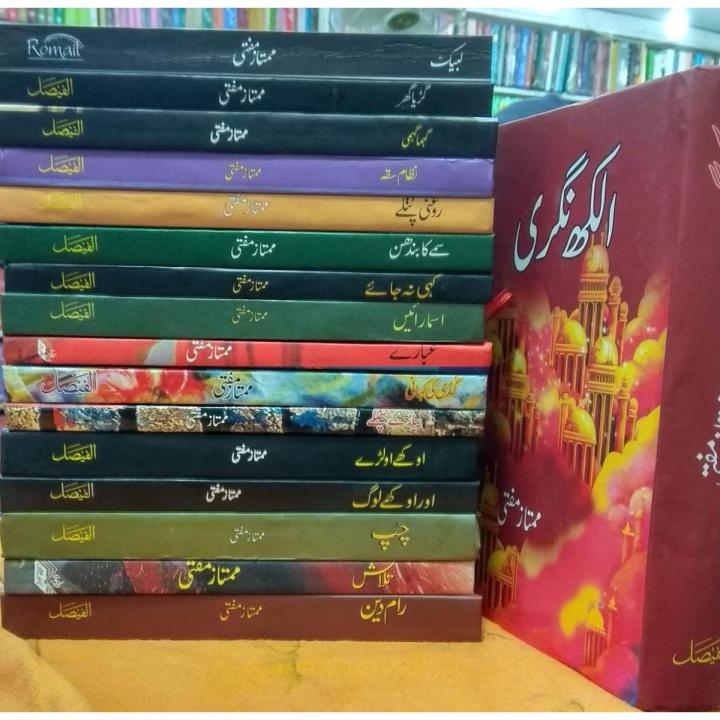
What makes Ali Pur Ka Aeeli particularly significant in Urdu literature is its departure from traditional storytelling. At a time when literature often adhered to certain moral and cultural boundaries, Mufti chose to break those boundaries. He wrote about subjects that were considered inappropriate or uncomfortable, and he did so with a level of honesty that challenged readers to confront their own beliefs and assumptions. The novel is often described as a “psychological realist” work, reflecting Mufti’s unique approach to storytelling.
Yet, it is precisely this boldness that makes Ali Pur Ka Aeeli a landmark work in Urdu literature. It paved the way for a more honest and introspective form of writing, encouraging future writers to explore the complexities of human experience without fear. The novel’s influence is apparent in the works of many contemporary writers who continue to grapple with similar themes of identity, desire, and self-discovery.
Final Thoughts: A Personal and Unforgettable Reading Experience
What ultimately stays with the reader after finishing Ali Pur Ka Aeeli is not a specific event or character, but a feeling, a sense of having witnessed something deeply personal and profoundly human. The book does not offer easy answers or moral lessons. Instead, it invites the reader to reflect, to question, and perhaps to confront their own inner conflicts.
In conclusion, Ali Pur Ka Aeeli is not an easy book, but it is an important one. It challenges conventions, provokes thought, and offers a rare glimpse into the complexities of the human mind. Mumtaz Mufti’s fearless honesty and psychological insight make this novel a timeless piece of literature. If you decide to read it, you need a lot of patience and openness. Those who do, are rewarded with an experience that is both unsettling and enlightening.
This is not just a story of Aeeli, it is, in many ways, a story of all of us.
Note: We have recently launched the Chardasuuraj Book Circle, a community for readers who enjoy discussing books, sharing recommendations, and participating in literary meetups and conversations. If you are interested in reading and thoughtful discussion, you are welcome to join our growing community.

Disclaimer
All book titles, cover images, and related materials referenced on this website belong to their respective authors, publishers, and copyright holders. They are used here only for the purpose of review, commentary, and discussion. No plagiarism or copyright infringement is intended. The use of such material is believed to fall under fair use for educational and informational purposes. If you are a copyright holder and would like any content removed or credited differently, please contact us and we will address the request promptly.














Leave a Reply